

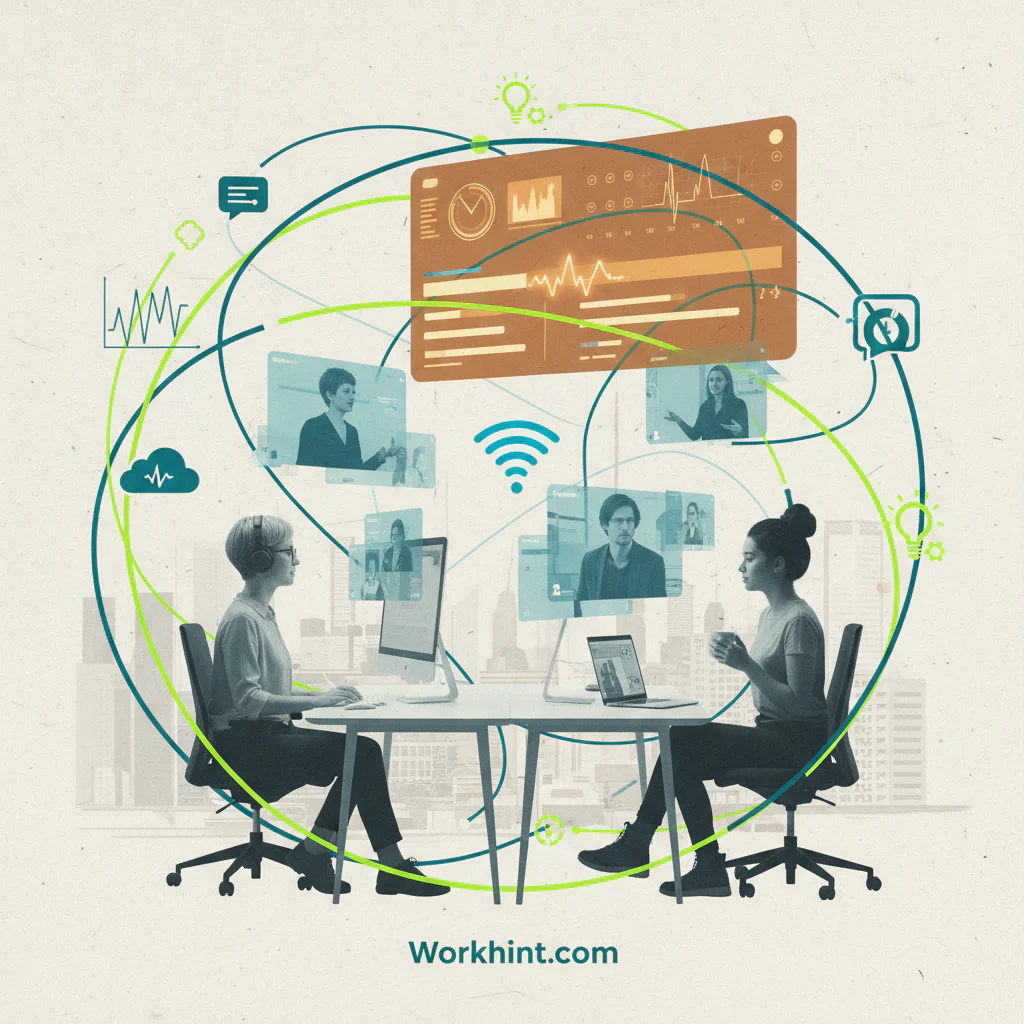
Discover the exact playbook that turns remote work chaos into coordinated success and gives you confidence to lead from anywhere
When the world flipped its office chairs onto kitchen tables, many of us felt the thrill of freedom—and the sting of isolation. The promise of remote work was a headline: work from anywhere, be your own boss. Yet weeks later, the novelty faded into a blur of missed cues, overlapping time zones, and a lingering question: How do we turn this scattered energy into a team that actually moves together?
The real problem isn’t that we’re working from home; it’s that we’ve taken the tools of collaboration for granted, assuming they’ll automatically stitch us into a cohesive unit. We’ve built a culture that celebrates “flexibility” while overlooking the quiet friction that creeps in when face‑to‑face feedback is replaced by chat bubbles and mute buttons. The result? Projects stall, morale dips, and leaders stare at dashboards that show activity but not alignment.
I’ve spent the past few years watching teams stumble, adapt, and sometimes thrive in this new terrain. Not as a guru with a crystal‑clear formula, but as someone who’s been on both sides of the screen—trying to keep a distributed crew focused while also feeling the pull of my own home office. What I’ve learned is that success isn’t about more tools; it’s about a mindset and a playbook that translates chaos into coordinated action.
In the pages ahead, we’ll surface the hidden assumptions that keep remote teams stuck, reveal the simple shifts that unlock genuine engagement, and map out a step‑by‑step playbook you can start using today. It’s the kind of clarity that feels like finally finding the missing piece of a puzzle you didn’t know you were assembling.
Let’s unpack this.
Why engagement is the hidden engine of remote success
When the office disappears, the invisible glue that held projects together can dissolve. Engagement is not a nice‑to‑have perk; it is the force that turns isolated effort into collective momentum. Teams that feel connected share information faster, anticipate each other’s needs, and bounce back from setbacks with less friction. Think of a jazz band: each musician listens, responds, and contributes to a shared rhythm without a conductor. Remote work can replicate that harmony, but only if leaders nurture the subtle cues that keep everyone in sync. Studies cited by Forbes show that high engagement correlates with higher productivity and lower turnover, especially when physical proximity is missing. The key insight is that engagement is a measurable, repeatable practice, not a vague feeling. By treating it as a core metric, managers can allocate time, tools, and rituals that reinforce purpose and belonging, turning remote chaos into coordinated progress.
How to build a remote engagement framework that people actually follow
A framework is only as good as the habits it creates. Start with a clear purpose statement that answers the question why the team exists beyond the daily to‑do list. Follow with a rhythm of touchpoints that balance structure and flexibility: a weekly vision check, a daily standup that lasts no longer than fifteen minutes, and a monthly deep dive where success stories are celebrated. Each touchpoint should have a single objective and a simple format, so participants know exactly what to prepare. Next, embed feedback loops that surface friction early; a quick pulse survey after each sprint can reveal hidden burnout before it spreads. Finally, empower peers to act as engagement champions, giving them ownership of rituals that matter to the group. The playbook from Toptal emphasizes that consistency beats novelty; teams thrive when they know what to expect and can rely on the same cadence day after day.
What mistakes sabotage remote teams and how to fix them
The most common error is assuming that technology alone will solve collaboration. Tools are only conduits for human intent, and when they are overused they create noise that drowns out meaning. Another pitfall is treating flexibility as an excuse for ambiguous expectations; without clear outcomes, employees drift and morale suffers. A third mistake is neglecting informal moments that build trust, such as virtual coffee chats or spontaneous brainstorms. To repair these gaps, start by pruning the tool stack to the essentials that support the team’s workflow, and train everyone on best practices for each channel. Set explicit goals for every project and communicate them in a single, searchable place. Finally, schedule regular low‑stakes gatherings that are not tied to work, allowing relationships to deepen beyond task completion. When teams correct these blind spots, they often see a rapid lift in both speed and satisfaction, turning remote work from a compromise into a competitive advantage.
When the first day of remote work felt like an open road, the real destination was never a place—it was a shared rhythm. The playbook we’ve walked through shows that coordination isn’t built by adding more apps or policies; it’s forged by a single, recurring habit that forces the team to ask, “What are we moving toward together?” Make that habit a brief, purpose‑driven check‑in that lives on the calendar, not in a chat thread, and let every other ritual flow from it. In that moment the invisible glue of engagement becomes visible, measurable, and repeatable. You now have a compass: a rhythm that turns scattered effort into a chorus. Keep the cadence, prune the noise, and watch the team not just survive, but thrive wherever they sit. The challenge remains simple—choose the check‑in that will anchor your team, and let the rest fall into place.
Leave a Reply