
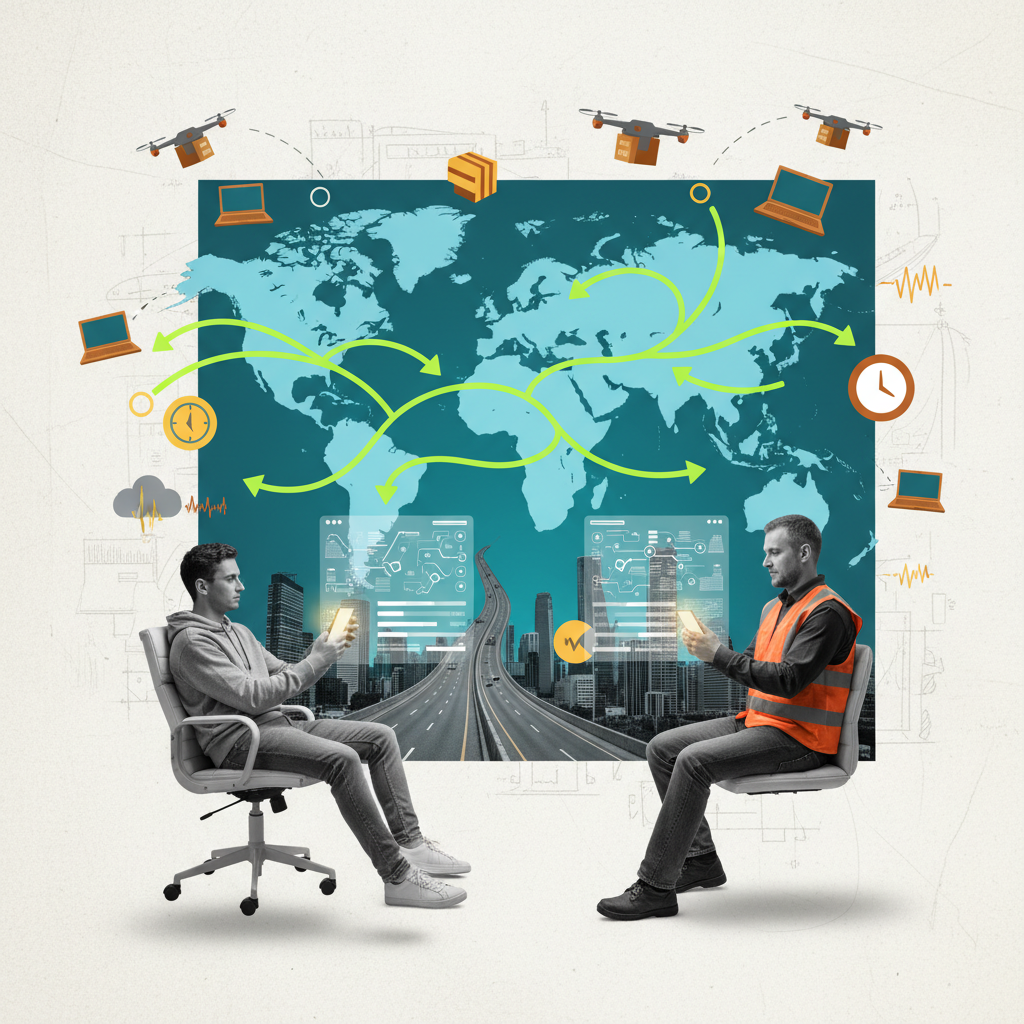
When workers are dispersed, manual scheduling and paper logs become bottlenecks; cloud tools keep data accurate and compliance intact as teams grow.
A growing number of organizations rely on employees who are constantly on the move, and that reality creates a hidden tension for anyone who has to keep the operation humming. Traditional scheduling spreadsheets and handwritten time cards were never built for a workforce that logs in from a truck, a client site, or a home office, yet many teams still cling to those old methods. The result is a cascade of small errors – missed shifts, duplicated effort, and compliance gaps – that quietly erode productivity and increase risk.
For leaders in HR, finance, and talent operations, the problem is often invisible until a regulator raises a question or a payroll mistake triggers a cascade of alerts. The underlying issue is not a lack of technology but a misconception that simple tools can scale with a mobile team. When data is scattered across emails, paper forms, and disparate apps, the organization loses the ability to see the whole picture, making strategic decisions feel like guesswork.
This article will unpack why the conventional approach falls short, explore the blind spots that keep managers from gaining real‑time visibility, and outline the mindset shift needed to move from reactive patchwork to proactive coordination. Now let’s break this down.
Why does real time visibility matter for a mobile workforce
When workers clock in from trucks, client sites or home offices, managers lose the ability to see who is where and when. Without a single source of truth, decisions become guesses and errors multiply. A cloud platform that aggregates time, location and task data restores that visibility, allowing leaders to match demand with capacity instantly. For example Oracle describes how cloud HCM technology can keep data accurate, compliant and safe while providing a live view of the entire mobile team. This real time picture reduces overtime surprises, prevents compliance gaps and enables proactive staffing adjustments before a shift is left uncovered.
What common misconceptions hinder mobile workforce scheduling
Many organizations believe that a simple spreadsheet can scale as the workforce becomes more mobile. This misconception ignores the fact that mobile workers generate data in many formats – paper logs, email confirmations and disparate apps. When schedules are built on fragmented inputs, errors such as double bookings or missed shifts become inevitable. Paycor notes that tools designed for mobile workforce management consolidate these inputs, enforce policy rules and provide alerts when conflicts arise. By recognizing that manual methods cannot keep pace, leaders can shift to solutions that automate compliance checks and streamline shift assignments, freeing managers to focus on strategic priorities rather than correcting paperwork.
How can organizations build a resilient mobile workforce operating model
A resilient model balances flexibility for workers with control for the organization. It starts with a clear policy framework that defines expectations for availability, communication and data capture. Technology then enforces those policies while giving workers the tools they need to log time, request time off and receive updates on the go. Power Consulting highlights best practices such as establishing a single mobile hub, standardising data fields and training leaders on interpreting real time metrics. Adding a platform like Workhint to the tech stack provides a unified interface for scheduling, compliance and performance analytics, creating a feedback loop that continuously improves the operating model without adding complexity.
FAQ
How can I ensure compliance when employees log hours from multiple locations
Compliance hinges on consistent data capture and automated rule enforcement. A cloud based workforce platform can require workers to record location, task code and timestamps at the point of entry, then validate the data against labor regulations and internal policies. Alerts trigger when overtime thresholds are approached or when required breaks are missed, allowing managers to intervene before violations occur. By centralising records, auditors can retrieve a complete audit trail without piecing together paper forms.
What technology features reduce manual effort for mobile teams
Key features include mobile native time entry, GPS verification, automated shift reminders and self service request portals. When these capabilities are built into a single system, workers no longer need to fill out paper cards or email supervisors for approvals. The platform routes requests, updates schedules in real time and syncs with payroll, eliminating duplicate data entry and reducing administrative overhead.
When should I transition from spreadsheets to a cloud workforce platform
If you notice frequent schedule conflicts, compliance warnings or a growing number of manual corrections, it is a strong signal that spreadsheets have reached their limit. The tipping point often appears when the team expands beyond a few dozen mobile workers or when regulatory audits reveal gaps in record keeping. Moving to a cloud solution at that stage restores accuracy, scales with growth and frees leadership to focus on strategic workforce planning.
Why a centralized workforce infrastructure matters
When a workforce operates from trucks, client sites, or home offices, every shift, location update, and task record is generated in a different place. Spreadsheets, email threads, and paper logs cannot keep those pieces synchronized, leading to missed assignments, duplicated effort, and compliance gaps that grow as the team scales.
Because data is fragmented, managers lose real time visibility and must spend time reconciling reports before they can make staffing decisions. The resulting delays turn routine coordination into a constant source of error, and the patchwork of tools cannot provide the audit trail required for regulation or payroll accuracy.
What is needed is a single platform that captures time, location, and task information, enforces policy rules, and makes the data available to all stakeholders in one place. An example of this type of system is Workhint, which serves as a unified hub for scheduling, execution tracking, and compliance.
With such a centralized layer, organizations can move from reactive fixes to proactive coordination, keeping the mobile workforce aligned and compliant.
Keeping a mobile workforce on track is less about adding more tools and more about creating a single source of truth that follows the workers wherever they go. By replacing fragmented spreadsheets, paper logs and scattered emails with a cloud platform that captures time, location and task data in real time, managers regain the ability to match demand with capacity, enforce compliance and intervene before a shift is left uncovered. The shift in mindset, from reacting to patchwork errors to trusting a unified hub, turns uncertainty into a manageable flow. The practical insight is simple: when every movement is recorded in one place, the data itself becomes the control knob for scheduling, performance and risk. Visibility is the compass that steadies a moving team.
Leave a Reply