

As a retail store owner, managing the workforce can be a daunting task, especially when it comes to hiring and managing staff. In recent years, the trend of hiring flexible contract staff has gained popularity, and many retail store owners are considering it as a viable option for managing their workforce.
Quick answer
An 80% flexible staffing model may work for some retail operations, but the percentage alone does not determine success. Retailers need enough stable leadership and role continuity, plus qualified flexible workers, predictable availability, clear training, reliable scheduling, and compliant engagement terms. The right mix depends on store format, demand patterns, tasks, and service expectations.
Flexible contract staff refers to workers who are hired on a temporary or part-time basis, and their employment contract allows for flexibility in terms of hours and days worked. The question that arises is whether it is feasible to operate a retail store with 80% flexible contract staff. Let’s delve into this issue and explore the pros and cons.
Advantages of Flexible Contract Staff
One of the primary advantages of flexible contract staff is cost savings. Retail stores can save money by hiring staff on a part-time or temporary basis rather than hiring full-time staff. This is because full-time staff require employee benefits such as health insurance, paid time off, and other perks, which can be costly for a retail store. In contrast, flexible contract staff are only paid for the hours they work, making them a cost-effective solution for a retail store.
Another advantage of flexible contract staff is flexibility. Retail stores can adjust their workforce to meet the demands of their business. During peak seasons, a store can hire more flexible contract staff, and when the demand drops, they can reduce the workforce without incurring significant costs.
Conclusion
In conclusion, it is possible to operate a retail store with 80% flexible contract staff. However, it is essential to weigh the pros and cons of such a staffing model carefully. Retail store owners must consider the cost savings, flexibility, and potential lack of loyalty and commitment while hiring flexible contract staff. By striking the right balance between full-time and flexible contract staff, retail store owners can create an efficient and productive workforce that meets the demands of their business.
FAQ
Can a retail store use mostly flexible workers?
Possibly, but feasibility depends on the work, local rules, training needs, leadership coverage, and the availability of qualified people.
What roles should remain stable?
Retailers usually need dependable ownership for store leadership, safety, cash controls, customer escalation, and other continuity-sensitive responsibilities.
How can retailers coordinate flexible staff?
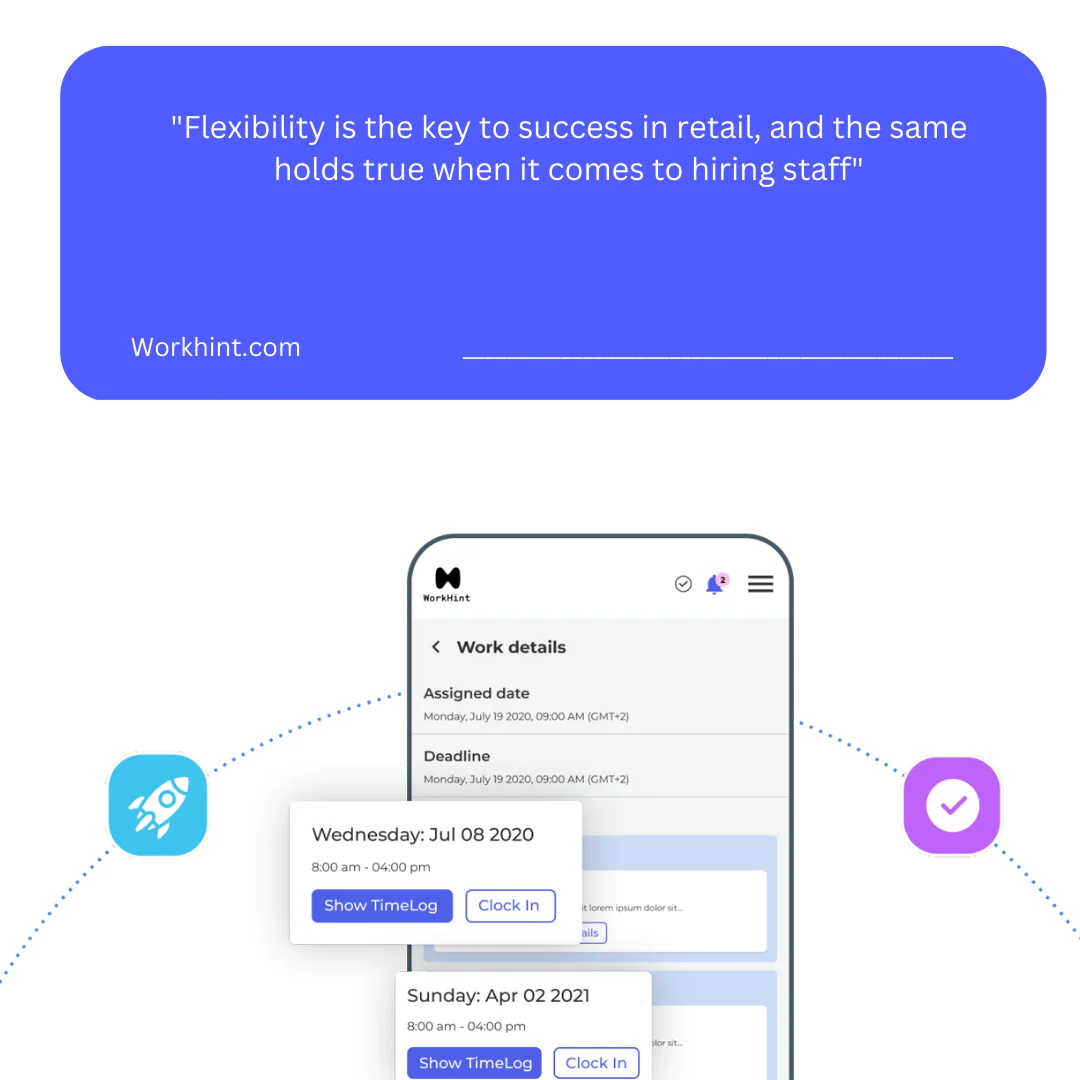
Use clear availability, qualification, shift, attendance, and communication processes. Staff scheduling software can connect those activities.
Leave a Reply