

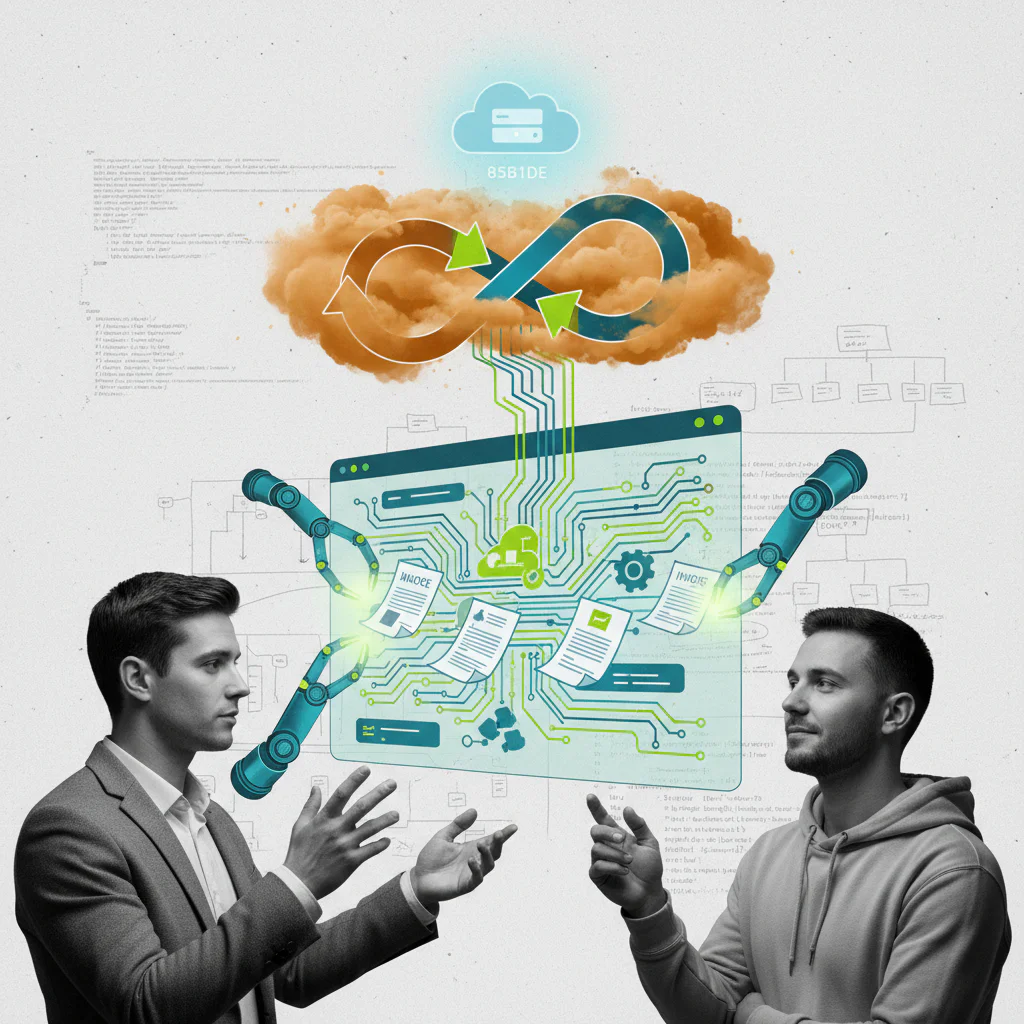
As invoice volume grows, manual work slows external teams, creates errors, and delays payments; AI automation scales with demand and protects cash flow.
When invoice piles keep growing, the people who process them often find themselves stuck in a loop of data entry, approvals, and endless back‑and‑forth. For workforce leaders, operators, founders, and HR or finance teams, this isn’t just an inconvenience – it erodes productivity, inflates error rates, and can choke cash flow at the very moment the business needs liquidity. The hidden tension is that many organisations treat invoice handling as a purely back‑office function, overlooking how external teams – from procurement to project managers – are silently bearing the burden. This blind spot leads to a cascade of missed opportunities: staff spend valuable time on repetitive tasks instead of strategic work, and the organization loses the agility that modern AI tools promise. In this article we will unpack why the current approach is fragile, how the perception of automation is often misunderstood, and what a shift in mindset could unlock for the whole workforce ecosystem. Now let’s break this down.
Why does invoice automation matter for external workforce teams
External teams such as procurement specialists, project managers and freelance coordinators often receive invoices that sit in shared inboxes or spreadsheet queues. When each invoice must be opened, data entered manually and routed for approval, the team spends hours on repetitive work that adds no strategic value. This hidden cost reduces capacity for core activities, inflates error rates and can delay cash outflows, putting pressure on supplier relationships. Automation replaces manual entry with data capture, validation and routing, allowing external contributors to focus on negotiation, planning and delivery. Companies like Brex report that automating invoice capture reduces processing time by up to sixty percent, freeing staff to engage in higher impact tasks. The benefit extends beyond finance; when external teams experience faster turnaround they can meet project milestones more reliably, improving overall workforce productivity.
What common myths prevent organizations from adopting invoice automation
Many leaders assume that automation requires a massive technology overhaul or that only large enterprises can afford it. In reality, cloud platforms and low code tools can be layered onto existing systems with minimal disruption. A second myth is that automation eliminates human judgment. Instead, it routes exceptions to the appropriate stakeholder, preserving control while eliminating routine work. Communities such as Reddit discuss how a simple spreadsheet of client emails and PDF links can be paired with a mail merge add‑on to trigger automated delivery, demonstrating that sophisticated outcomes can arise from modest setups. Finally, some fear data security risks, yet modern solutions encrypt data in transit and at rest, meeting compliance standards. Recognizing these misconceptions opens the path to incremental adoption that scales with invoice volume.
How can a modern automation stack be integrated without disrupting existing processes
A pragmatic integration starts with mapping the current invoice flow and identifying high friction points such as manual data entry or approval bottlenecks. Next, select a platform that connects to the existing accounting system, email service and document storage. Tools like Stripe provide APIs that can ingest invoice data directly, while workforce platforms such as Workhint can surface pending approvals within the employee portal. The integration should run in parallel to the legacy process for a short pilot period, allowing teams to compare accuracy and speed. Once confidence builds, the legacy steps can be retired. This staged approach minimizes risk, preserves institutional knowledge and delivers measurable gains early in the rollout.
FAQ
Can external teams reduce manual effort with invoice automation
Yes, automation captures invoice details, validates amounts and routes approvals automatically, turning hours of data entry into minutes. External contributors then spend time on negotiation and project coordination rather than repetitive paperwork.
What is the quickest way to start automating invoices without a full system overhaul
Begin by consolidating invoice sources into a shared spreadsheet that includes recipient email and PDF link. Pair this with a mail merge add‑on that sends each invoice and tracks delivery. This low‑code solution provides immediate time savings while you evaluate larger integrations.
How does automation improve cash flow for the organization
Automated workflows accelerate invoice approval and payment scheduling, reducing the lag between receipt and disbursement. Faster payments improve supplier confidence and can unlock early payment discounts, directly enhancing cash flow health.
Why a Centralized Workforce Infrastructure Is Needed
When invoice volume rises, external contributors such as freelancers, procurement agents and project coordinators are forced to pull data from emails, spreadsheets and shared folders. Each manual entry step adds latency, creates duplicate records and increases the chance of errors that ripple through payment cycles. Over time the collection of spreadsheets, email filters and ad hoc scripts cannot keep pace with the growing number of participants or the need for consistent audit trails. The resulting operational complexity requires a single place where work items, approvals, and execution data are linked to the people who act on them. A platform that unifies onboarding, task distribution, status tracking and payment triggers provides the structural gap that ad hoc tools leave open. For example, Workhint (https://www.workhint.com) serves as an example of the type of system teams adopt to bring external work into a coordinated, auditable flow. This eliminates fragmented processes and lets the organization scale without rebuilding each piece.
Throughout the piece we asked whether external teams can automate invoice processing without sacrificing control. By exposing the hidden cost of manual entry, debunking myths about scale and security, and outlining a low-risk integration path, the tension dissolves: automation is not a distant overhaul but a series of incremental steps that let external contributors stay in the loop while the system handles the routine. The practical insight is that the most effective automation begins where friction is highest, capturing the invoice data and routing exceptions rather than trying to replace the entire workflow at once. When the technology serves as a silent partner, the workforce regains capacity for strategic work and cash flow steadies. Automation then is less a replacement and more a lever that amplifies human judgment.
Leave a Reply