


An external workforce operating model gives contractors, vendors, agencies, and internal teams one clear way to work together.
An external workforce operating model defines how a company requests, approves, coordinates, pays, reviews, and closes work performed by people outside the employee base. It matters when the business depends on contractors, freelancers, agencies, consultants, staffing suppliers, service providers, field partners, or other external contributors.
The issue is rarely one missing tool. The problem is usually fragmented ownership. HR may care about classification, procurement may own supplier terms, finance may own payment controls, IT may own access, and operations may own the actual work. Without a shared model, every engagement becomes a local workaround.
What’s in this article?
- What an external workforce operating model should control.
- The core components business teams need before scaling external work.
- A practical operating model table with owners and records.
- Common mistakes that create risk, cost, and delivery problems.
- Where Workhint fits when the model needs to become a live system.
Why an external workforce operating model matters
External workforce management has become a strategic operating question, not just a staffing or procurement task. SAP describes contingent workforce management as the process of sourcing, engaging, and managing non-permanent workers with controls for compliance, cost, and performance. That definition is useful because it connects people, work, spend, and risk in one model.
Search demand around external workforce and contingent workforce operating models is rising because companies are trying to replace patchwork processes with consistent governance. Recent vendor and workforce research pages focus on unified data, compliance visibility, supplier performance, and lifecycle management. Hays Talent Solutions frames external workforce management around strategy, visibility, and supplier coordination. The practical gap is that many articles describe the need for a model but do not show how operators should structure one.
A strong operating model helps the business answer five questions before work begins: what type of external relationship is this, who can approve it, what records are required, how the work will be tracked, and when payment or renewal becomes appropriate.
External workforce operating model components
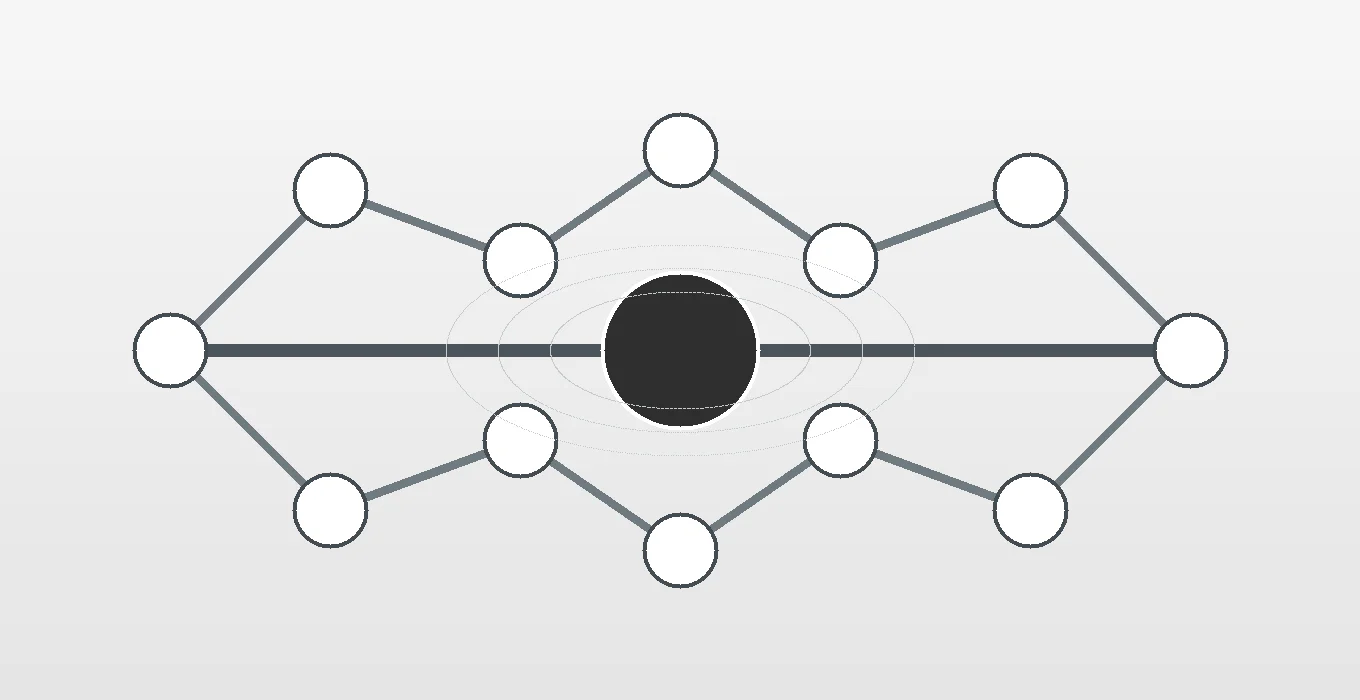
The model should cover the full lifecycle, from request to closeout. Keep it simple enough for teams to follow and explicit enough for finance, legal, HR, procurement, IT, and operations to trust.
| Component | Owner | What it controls | Required record |
|---|---|---|---|
| Engagement intake | Business owner | Need, work type, budget, location, timeline, and expected outcome. | Approved request |
| Worker or supplier type | HR, legal, or procurement | Independent contractor, agency, vendor, staffing partner, consultant, or field provider. | Classification or supplier decision |
| Scope and terms | Business owner and legal | SOW, work order, agreement, deliverables, exclusions, change rules, and acceptance criteria. | Signed agreement or approved scope |
| Access and onboarding | IT and operations | Systems, documents, training, permissions, start date, and end date. | Access approval and onboarding checklist |
| Work tracking | Operations | Assignments, milestones, evidence, issues, status updates, and escalations. | Active work record |
| Invoice and payment readiness | Finance | Tax forms, invoice rules, approved work, payment terms, and payment status. | Payment approval packet |
| Performance and renewal | Business owner and procurement | Quality, timeliness, cost, compliance, issues, and future use. | Review and renewal decision |
A practical workflow for external workforce governance
Start with one intake path. Any request for external work should capture the business outcome, worker or supplier type, expected duration, budget owner, access needs, location, compliance sensitivity, and payment model. This keeps teams from approving work before they understand the operating implications.
Next, route the request by risk. A low-risk freelancer doing a short design task may need a lighter review than a contractor handling customer data, regulated work, building access, or international payments. Ivalua’s external workforce guidance emphasizes the need for unified workforce data and lifecycle visibility; the same principle applies even before a company buys specialized software.
Then connect scope to execution. The business should not manage external contributors through vague messages alone. Each engagement needs a clear scope, owner, deliverable, review point, and completion standard. If the work changes, the change should move through a documented approval path before extra cost or timeline impact appears on an invoice.
Finally, close the loop. Offboarding, access removal, final invoice approval, records retention, and performance review should be part of the model. A company that only manages the start of external work will keep rediscovering the same problems at renewal, audit, or payment time.
Common mistakes to avoid
The first mistake is treating every external contributor the same. A staffing agency, independent consultant, subcontractor, marketplace provider, and software implementation partner may all sit outside the company, but they create different compliance, access, payment, and performance questions.
The second mistake is letting ownership stay informal. If HR owns classification, procurement owns supplier approval, finance owns payment, and operations owns delivery, the model must show where each team enters the workflow. Otherwise the business owner becomes the only person trying to connect scattered approvals.
The third mistake is tracking spend without tracking work. External workforce visibility should include active assignments, acceptance evidence, access status, issues, renewals, and payment readiness. Spend data alone does not tell the business whether external work is controlled.
Where Workhint fits
Workhint fits when an external workforce operating model needs to become a live work system instead of a policy document. A team can use Workhint to structure external work intake, define roles and permissions, route approvals, collect documents, assign work, manage access gates, track milestones, connect accepted work to invoice readiness, and report on status across contractors, vendors, agencies, staffing partners, and distributed teams.
That does not replace legal, HR, procurement, or finance judgment. It gives those functions a shared operating layer so decisions, records, assignments, approvals, and payments stay connected as external work scales.
FAQ
What is an external workforce operating model?
An external workforce operating model is the structure a company uses to govern work performed by non-employees, including contractors, freelancers, vendors, agencies, consultants, staffing suppliers, and service providers.
Who should own the external workforce operating model?
Ownership is usually shared. Operations often owns the end-to-end workflow, while HR, legal, procurement, finance, IT, and business owners own specific controls inside the model.
What should the model include?
It should include intake, classification or supplier review, scope approval, onboarding, access control, work tracking, issue escalation, invoice approval, payment status, performance review, renewal, and offboarding.
Is external workforce management the same as vendor management?
No. Vendor management is one part of the broader model. External workforce management also covers independent contractors, freelancers, staffing partners, agencies, consultants, field providers, and the operating workflows around their work.
Conclusion
An external workforce operating model helps companies scale flexible work without losing control. The goal is not to slow every engagement down. The goal is to make the right path obvious: request the work, approve the relationship, define scope, onboard carefully, track delivery, approve payment, review performance, and close the loop. When those steps sit in one model, external work becomes easier to move, measure, and govern.
Leave a Reply